Pressure + Time
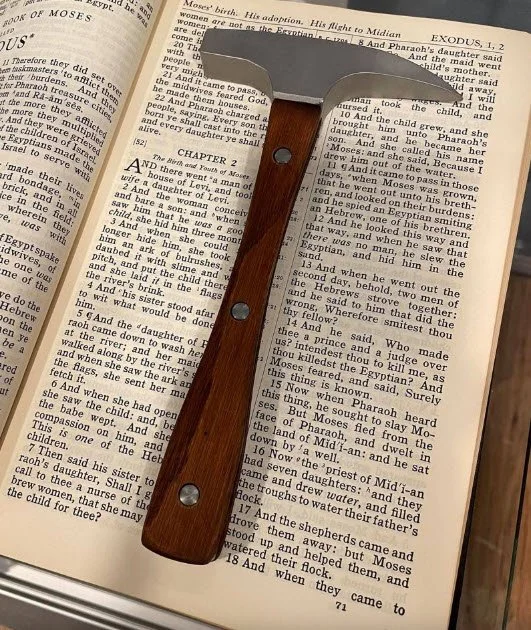
In The Shawshank Redemption, Andy Dufresne tunnels out of prison using only a tiny rock hammer. His escape happens in slow-motion, over the course of years, chipping away a little at a time, hiding his progress under a “big goddamn poster” of Rita Hayworth dressed as a scantily-clad cavewoman. As his friend Red puts it:
Andy loved geology. I imagine it appealed to his meticulous nature. An ice age here, a million years of mountain-building there, plates of bedrock grinding against each other over a span of millennia.
Small inputs, accumulated over time, really start to add up. To quote Red again:
Geology is the study of pressure and time. That's all it takes, really. Pressure, and time. That and a big goddamn poster.
Pressure + Time…
It’s a powerful equation. Maybe the most powerful equation.
It’s how tectonic plates makes mountains.
It’s how clouds of gas coalesce to make stars.
It’s how you tunnel out of a wrongful life-imprisonment.
And it’s how you get work done as a writer.
We tend to have dramatic notions for what it takes to write. As in, to really get something accomplished you have to quit your job and write full-time. Or maybe spend a boatload of money and travel to a writers’ retreat where you’ll be assured long stretches of peace and quiet. This assumes that the best way to make progress is with large inputs, akin to Andy taking a sledgehammer to the wall of his prison cell.
But that’s not the only way to think about productivity. You can also get a surprising amount done with small inputs, applied consistently.
I’m not Stephen King-level prolific, but over the past decade I’ve written two novels and a book’s worth of short stories, all while working full-time, raising three kids, keeping up other hobbies, etc.
It’s not that I’m especially productive, I just chip away a little at a time. There’s never a single day in which I get an impressive amount done. I put in my hour (sometimes less) and that’s it. If I’m lucky I’ll get a couple pages. Somedays it’s just a paragraph. But do that for years and your stack of pages starts to grow.
John Steinbeck, who knew a thing or two about finishing books, had this advice for novelists:
Abandon the idea that you are ever going to finish. Lose track of the 400 pages and write just one page for each day, it helps. Then when it gets finished you are always surprised.
As the axiom goes, we overestimate what we can do in one year and underestimate what we can do in ten.
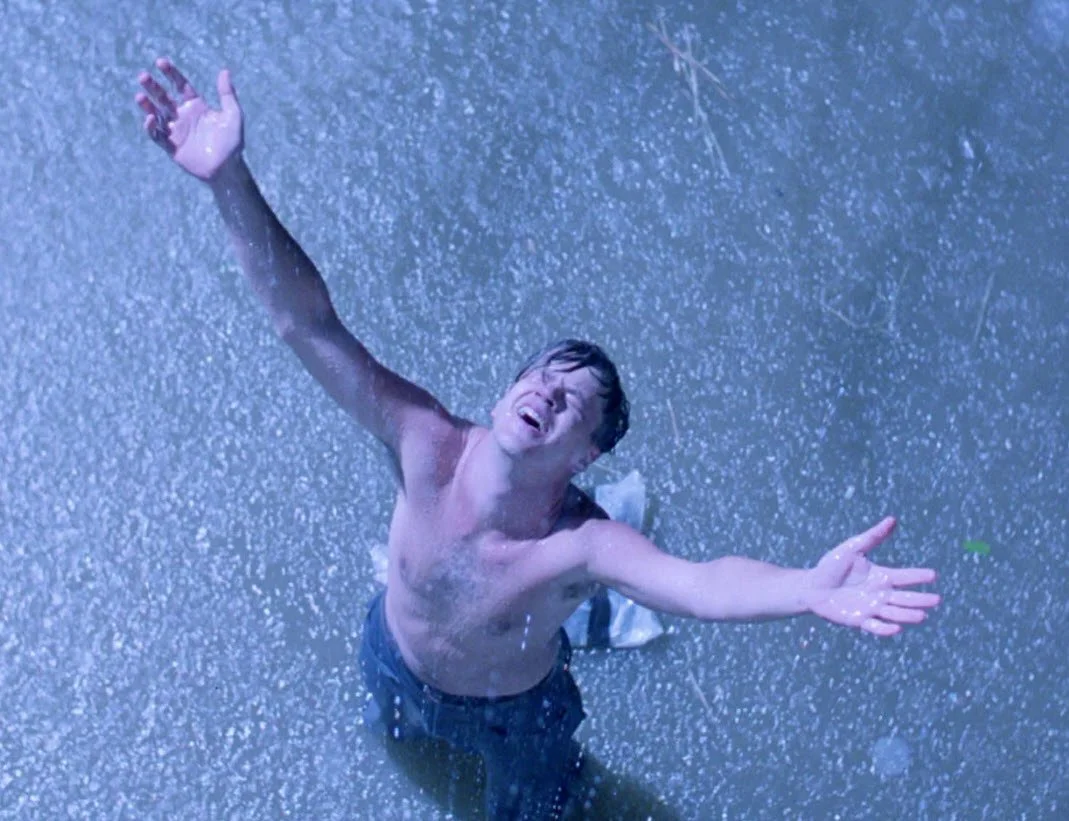
The way to make this work is to find joy in the process, to care more about the process than the finished product. When you love the work, chipping away isn’t drudgery, it’s meaningful and life-affirming. Do it long enough and maybe one day you’ll find yourself like Andy Dufresne, standing with your arms up in the rain, reaping the rewards of all that effort.
More likely, the result won’t be so dramatic. Real life rarely delivers such moments. But there is something even better, and it will sneak up on you if you work long enough — the quiet contentment that comes from long devotion to a craft.